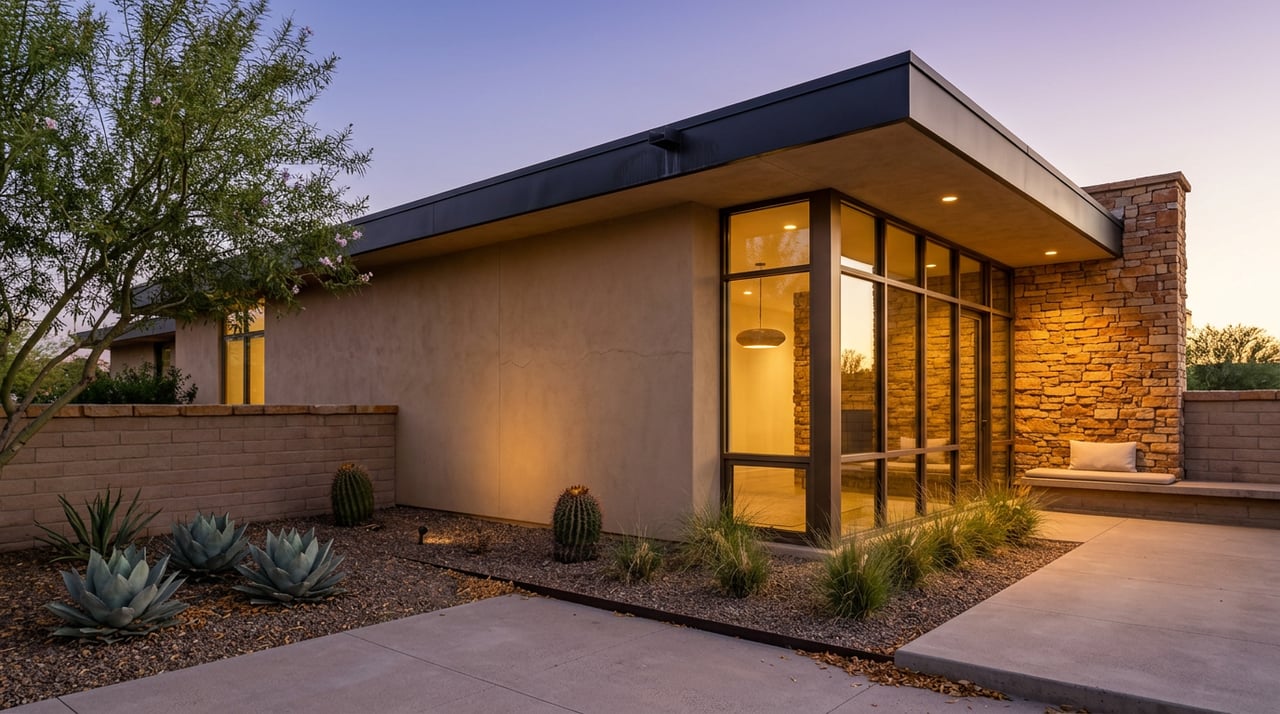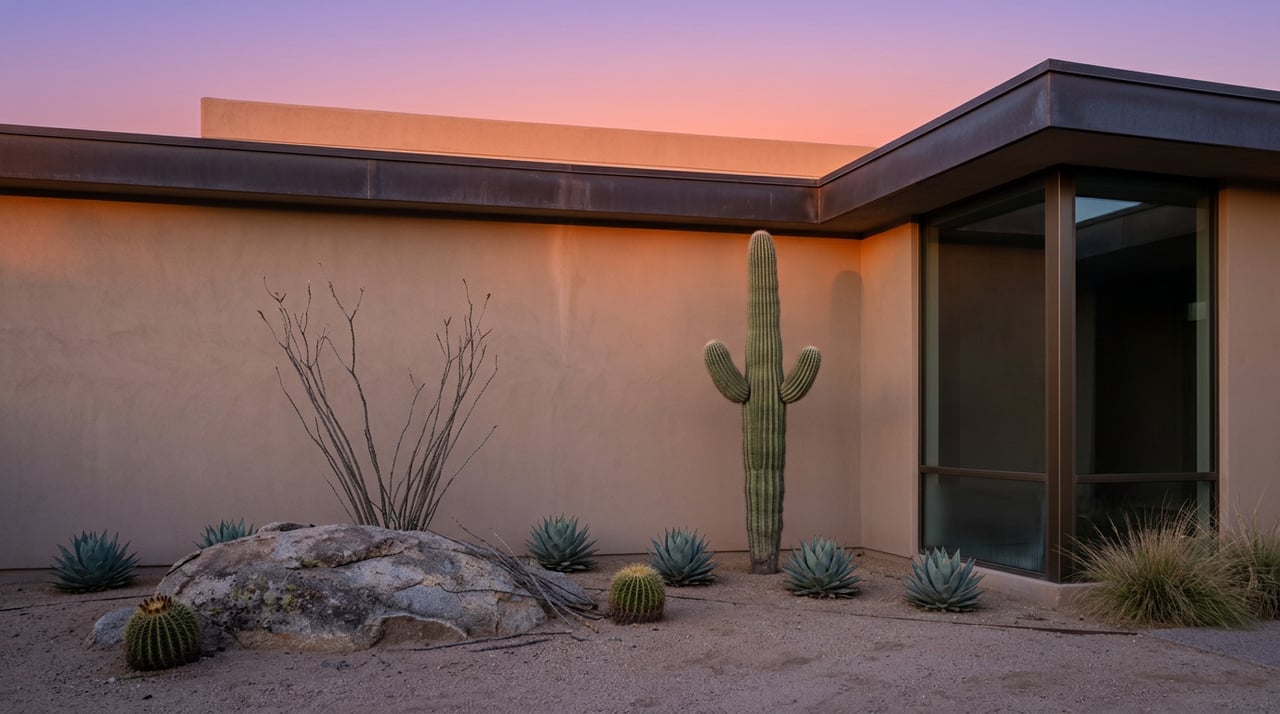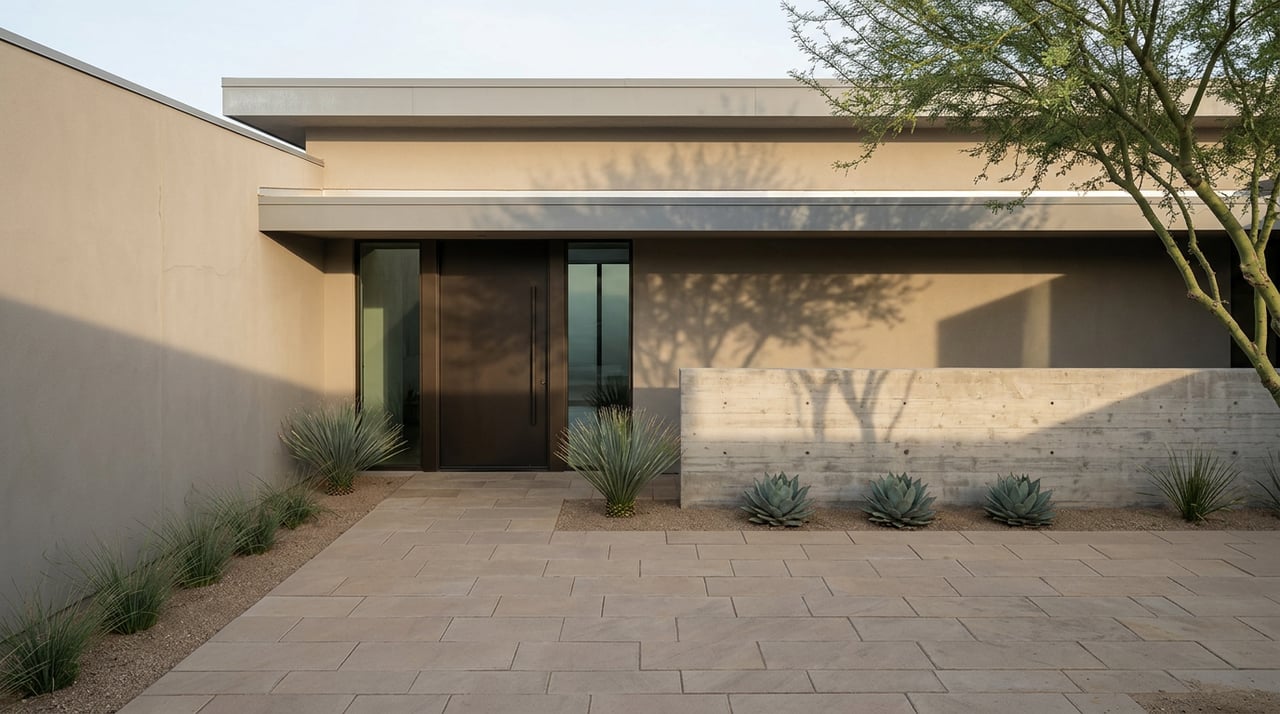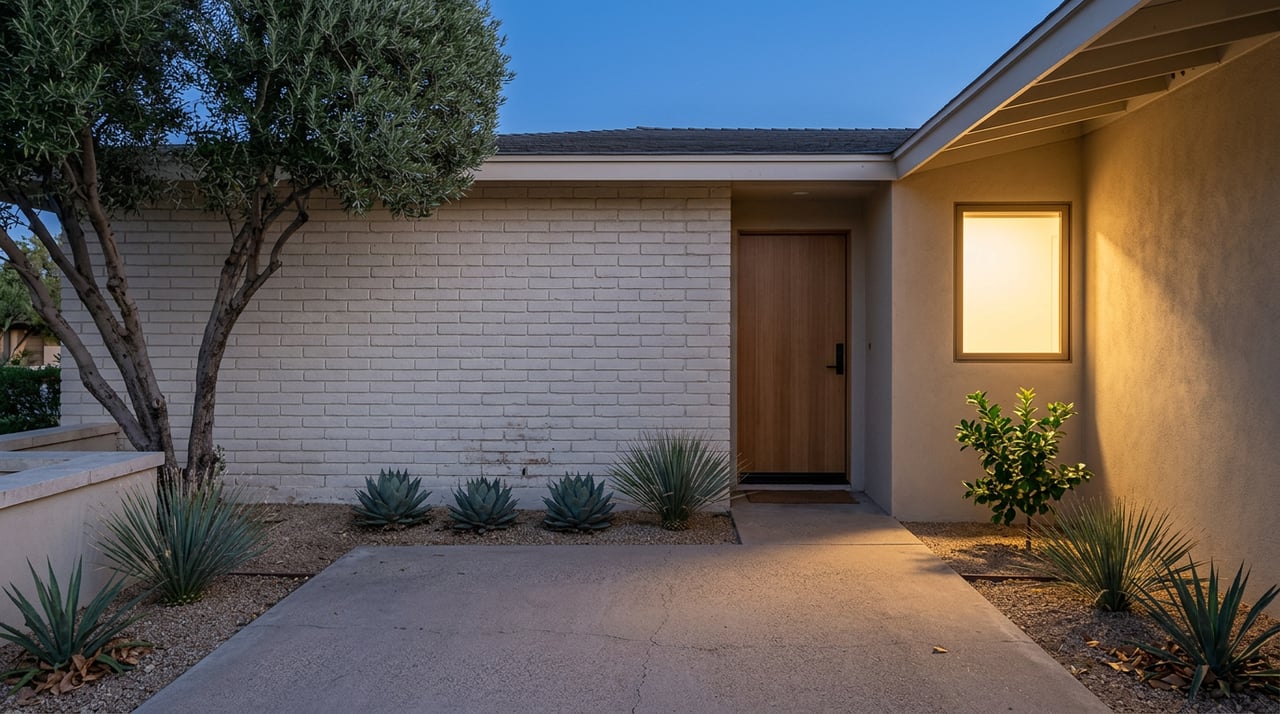
If you are watching the Cactus Corridor, you have probably noticed that the most compelling homes are not just bigger. They are better planned, warmer in style, and more intentional from the street to the backyard. In a part of Scottsdale known for large lots and mature settings, buyers are paying attention to how a home lives, not just how it looks in listing photos. This guide will walk you through the new build and remodel trends shaping the Cactus Corridor so you can evaluate opportunities with more clarity. Let’s dive in.
Why Cactus Corridor Supports Bigger Projects
The Cactus Corridor has a physical layout that naturally lends itself to ambitious new builds and meaningful remodels. According to the City of Scottsdale’s Cactus Corridor Area Plan, the area has historically featured low-density residential lots ranging from 35,000 square feet to 2.5 acres, often with large front setbacks.
That lot pattern matters. It creates room for custom homes, detached or attached guest spaces, expanded outdoor living, and major additions that would be hard to execute in tighter neighborhoods. It also means siting, privacy, and landscape design can have just as much impact on value as the interior finish package.
Warm Modern Design Is Leading
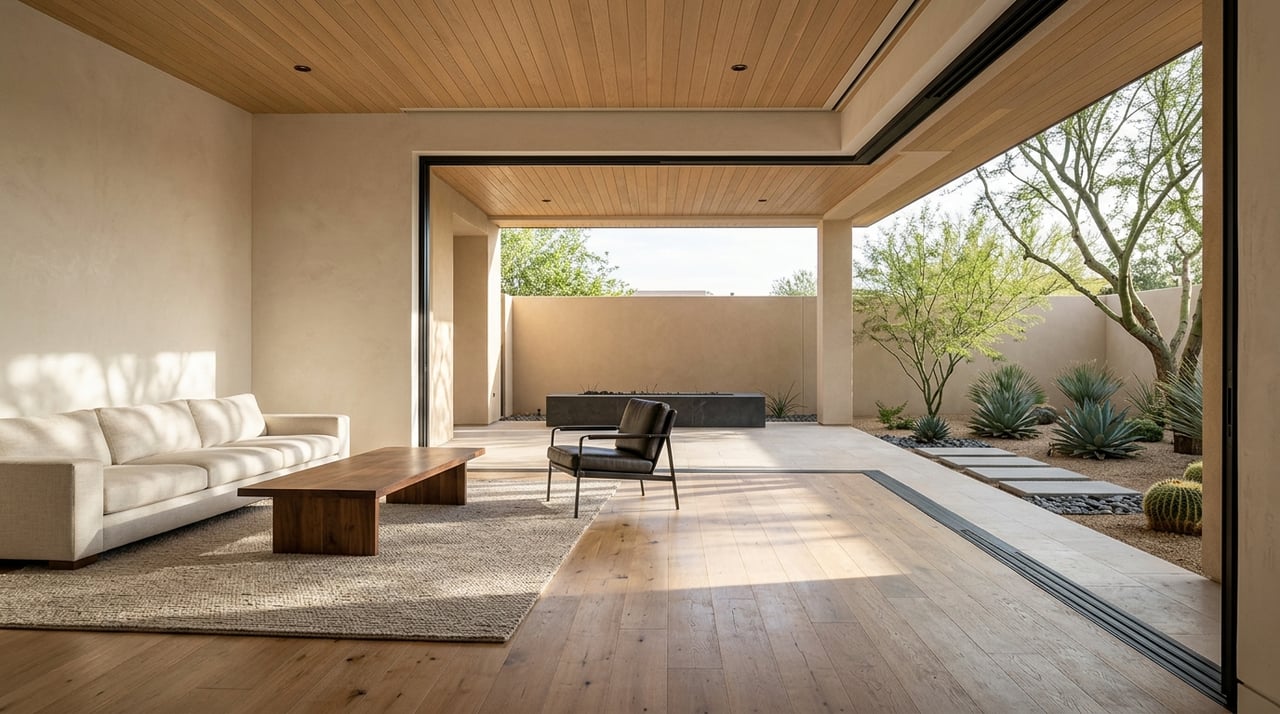
The strongest design direction in the Cactus Corridor right now is not cold minimalism. It is a warmer modern or transitional look that blends clean lines with natural texture and a more livable feel.
Local project examples reflect that shift. One Cactus Corridor new-build example highlights features like wide-plank wood floors, a hidden scullery, an attached casita, and a resort-style backyard, while another local project leans into board-and-batten detailing, wood accents, stone chimneys, large sliders, turf, and a long pool.
For you as a buyer or homeowner, the takeaway is simple. The homes getting the most attention tend to feel polished but not sterile. They combine modern architecture with warmth, texture, and outdoor spaces that feel like a true extension of the home.
Kitchen Finishes Are Getting Richer
Kitchen trends are moving in the same direction. The 2025 Houzz U.S. Kitchen Trends Study shows transitional kitchens as the most common style among renovating homeowners at 25%, followed by traditional, modern, and contemporary styles.
Neutral wall colors still lead, and wood-tone flooring remains the top flooring choice at 46%. When homeowners choose a different material for the island countertop, wood or wood slab is a leading option, while natural stones like quartzite and marble remain part of the mix.
In practical terms, that means you are more likely to see kitchens with visual depth rather than flat, one-note finishes. Think layered materials, natural texture, and a design that feels tailored instead of trendy.
Hidden Features Matter More
Another clear trend is integration. The 2025 Houzz Fall Design Report highlights hidden appliances, panel-ready cabinetry, concealed hoods, integrated lighting, white-oak storage, and warmer metal accents such as copper and brushed gold.
In the Cactus Corridor, these details matter because buyers in this segment tend to notice functionality as much as appearance. A hidden scullery, better storage planning, and integrated lighting can make a remodeled home feel far more custom, even if the square footage stays the same.
Outdoor Living Is Part of the Floor Plan
In Scottsdale, outdoor space is not a bonus. It is part of the core value of the property. That is especially true in the Cactus Corridor, where larger lots create room for a more complete backyard plan.
Today’s most appealing projects treat the backyard as a full lifestyle package. Current local examples show pools or spas, fire features, large sliders or pocket doors, turf or low-maintenance lawn areas, and activity spaces working together in one cohesive design, as seen in this Cactus Corridor outdoor project example.
If you are comparing homes, this is an important distinction. A backyard with one flashy feature may photograph well, but a well-planned outdoor space usually delivers better day-to-day use and stronger long-term appeal.
Desert-Friendly Landscaping Is Gaining Ground
Landscape choices are shifting too. The 2025 U.S. Houzz Emerging Summer Trends Report points to growing interest in low-water landscapes, including succulent gardens, Mediterranean gardens, and decomposed granite designs.
Scottsdale supports that direction through its Xeriscape and residential rebate resources. The city also notes that major landscape changes can require prior approval, including certain plant removals, wall construction, grading, and terrain alterations.
That means your landscape plan should never be an afterthought. In this part of Scottsdale, smart landscaping can improve curb appeal, reduce maintenance, support privacy, and better fit the desert environment.
New Build vs. Remodel in Cactus Corridor
If you are deciding between a new build and a remodeled home, the right answer depends on what you value most. In the Cactus Corridor, both options can make sense, but they come with very different tradeoffs.
Here is the clearest way to think about it:
| Option | Main Advantage | Main Watch-Out |
|---|---|---|
| New build | Maximum control over layout, finishes, and indoor-outdoor flow | More moving parts, approvals, and timeline complexity |
| Recently remodeled home | Faster path to updated style and livability | Quality depends on scope, permits, and execution |
| Older home to update yourself | Highest level of customization | Greater uncertainty around hidden conditions and approvals |
A new build gives you the best chance to create exactly what you want. It also requires a more document-heavy process through the city, especially when the project includes structural work, additions, or major exterior elements.
A remodeled home can be appealing if the previous owner already completed the right improvements. But the real test is not just the finish photos. It is whether the work was permitted correctly and completed thoroughly.
What the Scottsdale Process Looks Like
Scottsdale’s process is more structured than many buyers expect. According to the city’s One Stop Shop permitting overview, new residential permit applications are submitted electronically and reviewed across multiple disciplines, including planning, building, engineering, stormwater, and fire.
The typical sequence looks like this:
- Design
- Permit package submission
- City review
- Corrections if needed
- Permit issuance
- Phased inspections
- Final occupancy
Final occupancy only happens after final inspection and receipt of a Certificate of Occupancy. For remodels, Scottsdale notes on its permit services page that permits are required when walls move or plumbing or electrical are added, and incomplete plans can be rejected on first review.
For you, this matters during both home search and due diligence. A beautiful remodel with weak paperwork can become a very different conversation once you start verifying what was actually approved and completed.
HOA and City Approval Are Separate
One of the easiest mistakes to make in the Cactus Corridor is assuming city approval is the only hurdle. It is not.
Scottsdale makes clear on its home improvement guidance page that CC&Rs are private agreements and are not enforced by the city. In plain English, that means HOA review can be separate from city permits, and both may matter depending on the property.
This is especially important for exterior remodels, additions, walls, landscape changes, and design elements visible from the street. If you are buying a property with future plans in mind, checking both city requirements and HOA rules early can save time and frustration later.
What Buyers Should Watch For
In a neighborhood like the Cactus Corridor, quality is often about the whole plan, not one standout feature. The most marketable homes usually preserve the area’s spacious character while delivering a cohesive, highly functional design.
As you compare homes, look for:
- A floor plan that makes sense for daily life and entertaining
- Warm, layered finishes instead of overly stark design choices
- Strong indoor-outdoor flow through sliders, patios, and usable yard space
- Landscape planning that fits the lot and the desert setting
- Evidence of permit quality for structural, plumbing, electrical, and exterior work
- Clear diligence around HOA review where applicable
These details can help you separate a home that simply looks updated from one that was planned and executed at a higher level.
Why This Matters for Long-Term Value
In the Cactus Corridor, the premium is tied to more than square footage. The area’s appeal comes from lot size, mature setting, and the ability to create a home that feels connected to the desert while still delivering modern comfort.
That is why the strongest new builds and remodels tend to follow a similar formula. They respect the scale of the lot, bring warmth into the finish package, and turn the backyard into a meaningful part of the property experience.
If you are buying, selling, or evaluating a project in the Cactus Corridor, having a sharp read on these trends helps you make more confident decisions. If you want guidance on how to compare new builds, remodeled homes, or off-market opportunities in this pocket of Scottsdale, connect with Jonny West RE / Eric Brossart for a free consultation.
FAQs
What design style is trending in Scottsdale’s Cactus Corridor?
- The strongest trend is a warm-modern or transitional style with clean lines, natural textures, wood tones, layered finishes, and a more livable feel than stark minimalist design.
What outdoor features are popular in Cactus Corridor homes?
- Pools, spas, fire features, large sliders or pocket doors, turf or low-maintenance lawn areas, and dedicated activity spaces are common in the most cohesive backyard designs.
What permits are usually needed for a Scottsdale remodel?
- In Scottsdale, permits are typically required when walls move or when plumbing or electrical work is added, and inspections are still required even for smaller qualifying remodels.
What is the difference between HOA approval and city approval in Scottsdale?
- City permits address code and municipal requirements, while HOA or CC&R review is separate and based on private community rules that the city does not enforce.
Is a new build or a remodel better in Cactus Corridor?
- A new build offers more control over layout and finishes, while a remodeled home can offer a faster move-in path. The better option depends on your timeline, risk tolerance, and how much customization you want.
Why are lot size and landscaping so important in Cactus Corridor?
- The area’s larger lots and mature parcels make privacy, siting, outdoor living, and desert-friendly landscape design a major part of both daily enjoyment and overall property value.